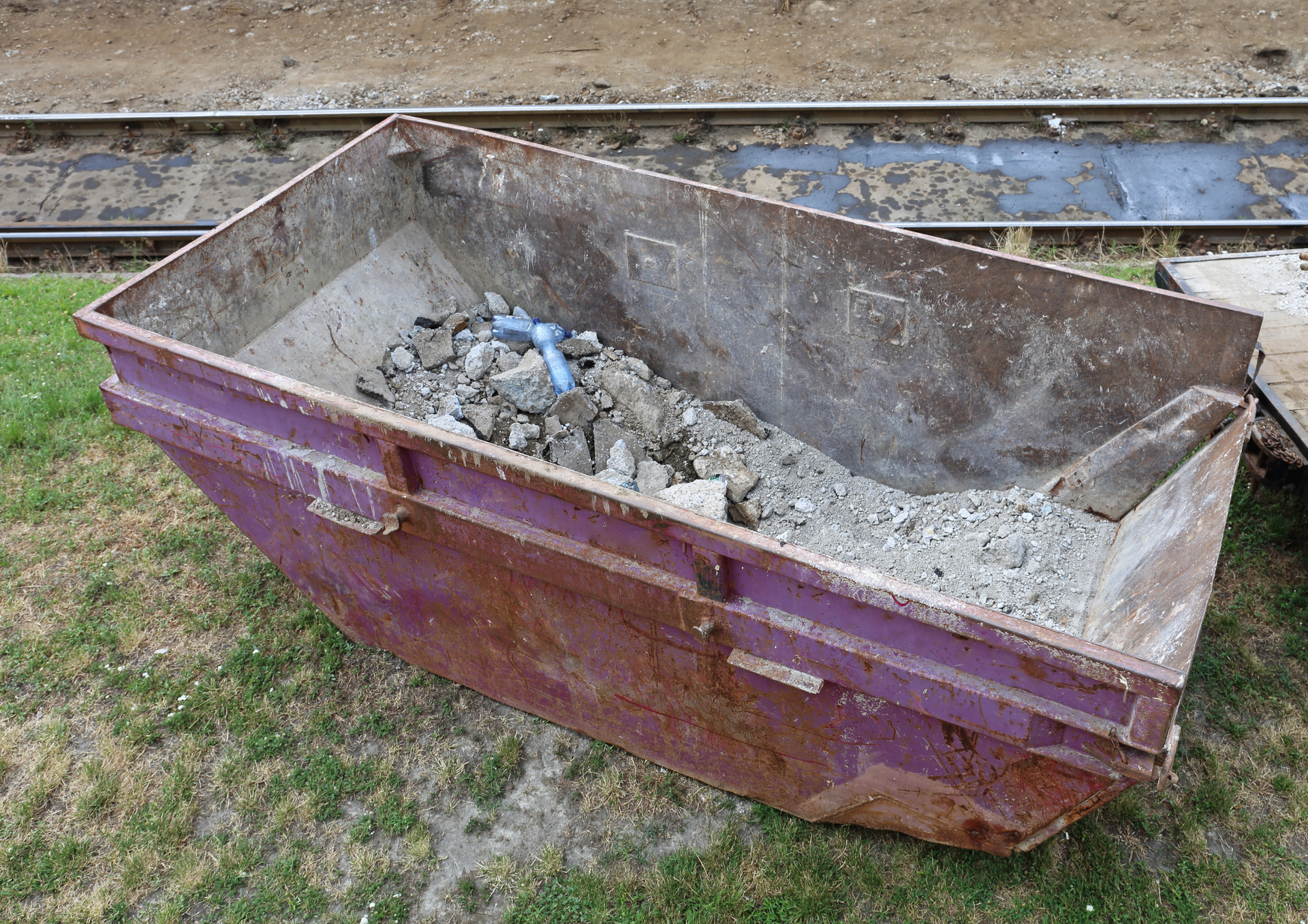


Comparing Skip Sizes for Cheap Skip Hire and Better Waste Removal
Choosing the right container size is an important part of planning waste removal for any property project. A container that is too small may fill before the work is finished, while one that is considerably larger than necessary can leave customers paying for capacity they never use. When looking for cheap skip hire, comparing size alongside the expected amount and type of waste can therefore provide a much clearer picture of overall value.
Homeowners may require waste removal for garden work, decorating, decluttering or larger renovations. Landlords can need additional capacity when clearing properties between occupants, while surveyors and local authorities may be responsible for coordinating waste during maintenance and improvement programmes. Commercial properties can generate even greater quantities, particularly during office clearances, refurbishments and building work.
Rather than automatically choosing the smallest container because it appears less expensive, customers should estimate the complete project before booking. Considering waste volume, bulky items, available space and the duration of the work can help identify capacity that is practical without being excessive.
Understanding How Different Skip Sizes Suit Different Projects
Customers searching for the cheapest skip hire near me may naturally begin by comparing advertised costs, but container capacity should also be considered carefully. The lowest initial figure may not provide good overall value if the chosen size cannot accommodate the expected waste. Matching capacity to the project can help reduce unnecessary arrangements later.
Small Household Projects
- Compact containers can be useful for modest decluttering, decorating work and smaller garden clearances.
- They can suit properties where driveway or outdoor positioning space is restricted.
- Customers should consider bulky objects carefully because furniture and fittings can occupy capacity quickly.
- Estimating the entire project before booking helps determine whether a smaller option will genuinely be sufficient.
Medium Renovation Projects
- Kitchen and bathroom refurbishments can produce old units, flooring, fittings and general renovation materials.
- Medium capacities can provide useful additional room without automatically requiring one of the largest options.
- Considering every stage of the renovation can give a more accurate estimate of the likely waste volume.
- Customers should check which materials are suitable before loading begins.
Larger Property Clearances
- Whole-house clearances can generate significant quantities of furniture, belongings and general unwanted materials.
- Larger containers may reduce the need to arrange additional capacity while the project is underway.
- Sufficient delivery and collection access should be confirmed before booking.
- Property layout and available outdoor space should be considered alongside the amount of waste.
Commercial and Building Projects
- Office and retail clearances can involve furniture, shelving, fittings and packaging.
- Building and refurbishment work may produce waste continuously over several stages.
- Larger capacities can be practical where substantial quantities are expected within a relatively short period.
- Delivery and collection should be coordinated with contractors and normal site activities where necessary.
The most suitable size is therefore determined by more than the number of rooms being cleared. Waste type, physical bulk, project duration and available positioning space should all form part of the decision.
Looking Beyond the Lowest Price When Choosing a Size
It can be tempting to select the smallest available container when trying to keep costs under control. However, choosing solely according to the initial price can create difficulties if capacity runs out before the work is complete. Customers considering cheap skips should therefore compare the practical value provided by each size rather than assuming that the smallest option will always cost less overall.
Waste volume can be difficult to judge while belongings and materials remain in their original positions. A fitted kitchen, for example, may appear relatively compact before removal but can produce a considerable amount of material once cabinets, worktops and flooring have been dismantled. Furniture can present a similar problem because awkward shapes may occupy more room than expected.
The type of project should also guide the decision. Clearing one bedroom is very different from emptying an entire property, even if both are described as household clearances. Similarly, a modest decorating project is unlikely to produce the same quantity of waste as a structural refurbishment.
Landlords preparing accommodation between occupants should assess every room before making arrangements. Furniture, damaged fixtures, unwanted belongings and maintenance materials can combine to create a greater volume than initially anticipated. Taking a complete inventory provides a better basis for selecting capacity.
Surveyors and local authorities coordinating maintenance programmes may need to consider several stages of work. Materials produced during initial clearance could be followed by additional waste from repairs or refurbishment. Understanding the wider project can prevent decisions being based only on the first stage.
Commercial properties require similar forward planning. An office refurbishment might initially involve removing furniture before flooring, partitions or other fittings are addressed. Selecting capacity according to only one phase could lead to additional arrangements later.
Customers should also consider available space. A larger container may offer greater capacity but still be unsuitable if there is insufficient room for positioning or vehicle access. Measuring the proposed area and discussing access before delivery can help avoid complications.
Hire duration is another practical factor. A project expected to continue for several weeks may generate waste gradually, whereas a clearance completed over a weekend could produce most of its waste within a short period. Understanding when materials will accumulate can help customers decide which arrangement fits the work most effectively.
Ultimately, value comes from matching the service to the actual project. A realistic assessment of waste and site conditions gives customers a stronger basis for comparing options without sacrificing practical requirements simply to obtain a lower initial quotation.
Matching Capacity to Waste Volume and Available Space
Finding cheap skip hire becomes easier to evaluate when capacity is considered in relation to both the amount of material and the available area at the property. Choosing the appropriate size can help customers use the container efficiently while keeping delivery, loading and collection practical throughout the project.
Decluttering and Smaller Clearances
- Start by assessing every room or area included in the project rather than estimating from one space.
- Separate items that will remain at the property before calculating waste volume.
- Consider whether furniture or other bulky objects can be dismantled where appropriate.
- Smaller capacity can be useful when both waste quantities and positioning space are limited.
Renovation and Maintenance Work
- Consider materials expected from every stage of the project.
- Kitchens, bathrooms and flooring work can generate different types and volumes of waste.
- Avoid choosing capacity based only on what will be removed during the first day.
- Coordinate waste arrangements with contractors where several trades are involved.
Outdoor and Garden Projects
- Branches, shrubs, fencing and other garden materials can be bulky despite appearing manageable before removal.
- Think about how materials will be loaded and how much usable capacity they may occupy.
- Keep pathways and entrances accessible while outdoor work progresses.
- Confirm which materials are suitable for the chosen disposal arrangement.
Commercial Properties
- Assess offices, storage rooms, communal areas and external spaces as part of the same project where appropriate.
- Consider whether parts of the premises will remain operational during the clearance.
- Maintain suitable routes for employees, contractors and visitors.
- Coordinate delivery and collection with the wider work schedule to minimise disruption.
Access and Positioning
- Check the width of entrances, gates and driveways before arranging delivery.
- Keep the intended placement area free from parked vehicles and other obstacles.
- Consider how easily waste can be moved from the building to the container.
- Avoid positions that unnecessarily obstruct important entrances or working areas.
A balanced decision considers capacity and practical site conditions together. More space inside the container is only useful when the equipment can be delivered, positioned and loaded appropriately.
Planning Ahead to Keep Waste Removal Affordable
Good preparation is one of the most effective ways to control unnecessary waste removal expenses. Customers encountering the phrase skip cheap hire during their search should still consider whether the service being compared provides the right capacity, suitable arrangements and dependable support for their particular project.
The first step is to assess what will actually be removed. Walking through a property room by room allows customers to identify large furniture, fixtures, stored belongings and other materials that may take up significant space. Commercial projects should include storage areas, offices and external spaces where relevant.
Separating items before the clearance begins can also improve planning. Belongings that will remain, reusable materials and items requiring different disposal methods should be identified early. This provides a clearer estimate of what genuinely needs to occupy the container.
Customers should then consider how the waste will be loaded. Throwing materials in without organisation can leave large unused gaps, particularly where bulky objects are involved. Where suitable, dismantling certain items and loading carefully can make better use of available capacity.
Timing is equally important. Arranging delivery long before waste is produced can leave equipment occupying useful space unnecessarily. Waiting until rubbish has already accumulated, however, can obstruct working areas and make the project more difficult. Coordinating delivery with the stage at which clearance or renovation begins provides a more practical balance.
The expected completion date should also be considered. Knowing approximately when the project will finish makes it easier to plan collection and prevents equipment remaining on site longer than required.
Homeowners carrying out DIY work can benefit from creating a simple project schedule before booking. Landlords may coordinate disposal with cleaners, decorators and maintenance contractors, while surveyors can consider how clearance fits around inspection or remedial work.
Local authorities responsible for property projects may have additional scheduling considerations, particularly where buildings remain partially occupied. Organising waste removal around contractors and building users can help minimise disruption.
Commercial premises can benefit from the same approach. Where a business remains open during refurbishment, loading may need to take place at suitable times so entrances, parking areas and operational spaces remain accessible.
Customers should also avoid assuming that larger always means better value. Excess capacity that remains unused provides little practical benefit. Equally, selecting something too small may result in the need for further arrangements. A realistic estimate generally provides a better foundation than choosing either extreme.
By combining accurate assessment, organised loading and sensible timing, customers can manage waste more efficiently while reducing the likelihood of avoidable additional expense.
Comparing container sizes is an important part of arranging waste removal for residential and commercial properties. Different projects generate different quantities and types of material, so there is no single capacity that will suit every clearance, renovation or building job.
Smaller options can be practical for modest household tasks and properties with limited space, while medium capacities can accommodate more substantial home improvements. Larger containers may be appropriate for extensive clearances, commercial refurbishments and projects that generate significant amounts of material.
When considering cheap skip hire, the right decision should take account of more than capacity alone. Property access, available positioning space, project duration and the physical characteristics of the waste can all affect which option works most effectively.
Homeowners can improve their estimates by assessing the complete project before work begins. Landlords and surveyors can consider whether maintenance or refurbishment will produce additional materials after an initial clearance, while local authorities can coordinate waste arrangements with wider programmes of work. Commercial property managers may also need to plan around staff, contractors and normal operations.
Careful preparation helps prevent both insufficient capacity and unnecessary unused space. By estimating waste realistically, preparing the delivery area and organising materials throughout the project, customers can select an option that provides practical value while supporting efficient waste management from delivery through to final collection.
Skip Hire Watford provides practical waste removal support for homeowners, landlords, surveyors, local authorities and customers responsible for residential and commercial properties. We understand that choosing suitable capacity can be difficult when the amount of waste is not immediately obvious, which is why our approach focuses on straightforward guidance and individual project requirements.
Customers comparing cheap skip prices can benefit from considering the complete service alongside the quoted amount. We help customers think about expected waste volume, available positioning space, property access and project duration so that their chosen option is appropriate for the work being undertaken.
Check out our latest X update comparing sizes and how choosing the right option can help when looking for
cheap skip hire services today!
You might also like