

Skip Hire Near Me for Festivals, Public Events, and Waste Removal
Organising an event or festival often creates far more waste than many people expect. From food containers and packaging materials to damaged equipment, disposable decorations, and general rubbish, waste can quickly accumulate throughout the duration of the event.
Whether managing a community gathering, seasonal festival, private function, or commercial outdoor event, having a structured waste removal plan helps maintain a cleaner, safer, and more organised environment for everyone involved. Temporary events frequently involve large numbers of visitors moving through public and private spaces over short periods of time.
Without proper waste control measures, overflowing bins and unmanaged rubbish can create hazards for guests, contractors, nearby residents, and cleaning teams. Careful planning allows organisers to manage waste more effectively before, during, and after the event while helping reduce disruption across surrounding areas.
Many organisers begin researching skip hire near me when preparing event sites because skip solutions offer a practical way to manage mixed waste from temporary structures, catering services, crowd activity, and site maintenance work. Choosing suitable waste containers early in the planning process can help support smoother operations throughout the event schedule while simplifying the final clean-up stage once activities have ended.
Managing Waste Efficiently During Events and Festivals
Event and festival waste management often requires careful planning due to the wide variety of rubbish produced before, during, and after public gatherings. Many organisers begin searching for skip hire near me solutions to help manage waste more efficiently while maintaining cleaner, safer, and more organised environments throughout the event period.
Types of Waste Generated at Events and Festivals
- Cardboard from deliveries, packaging, and vendor supplies
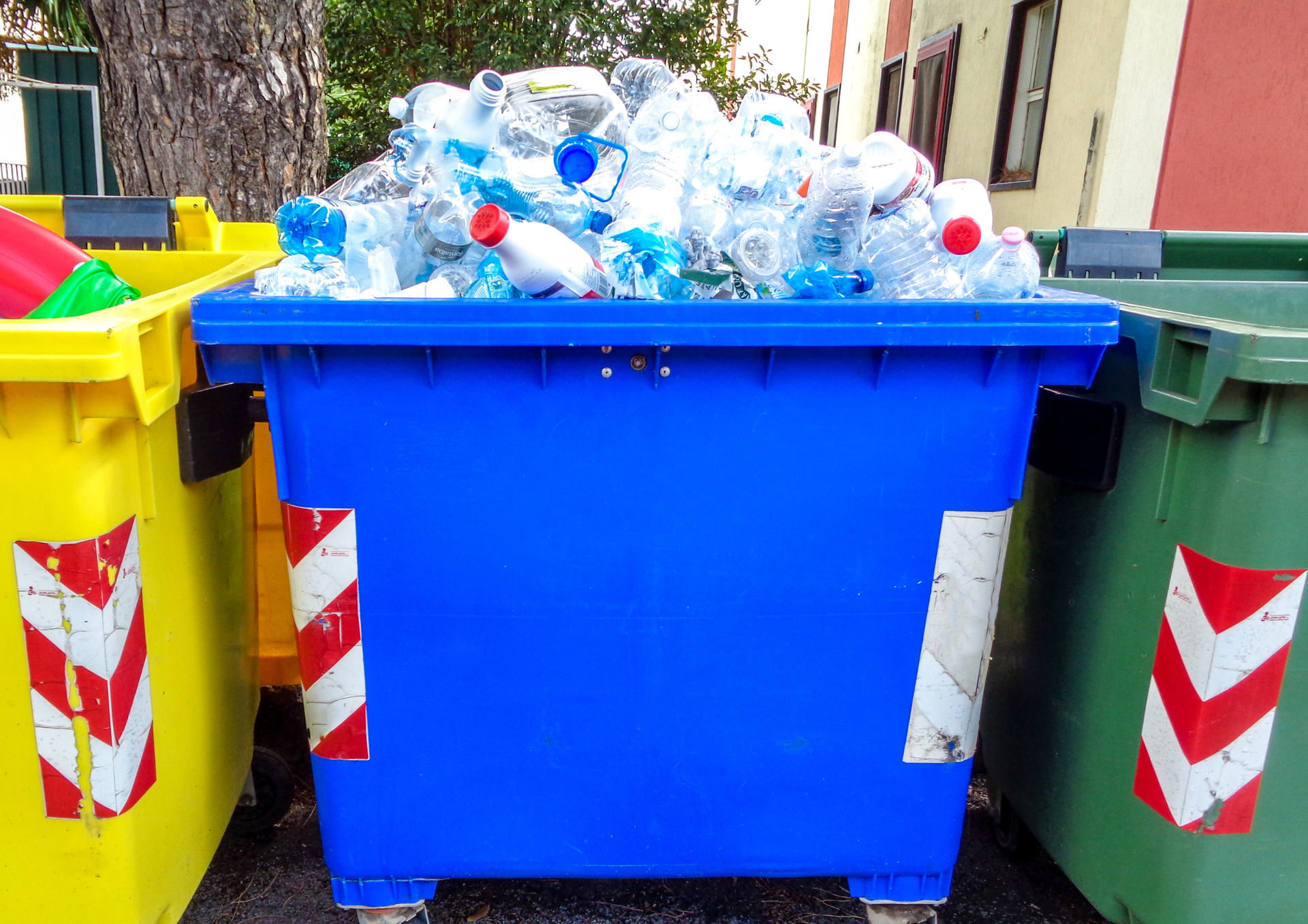
- Plastic bottles, cups, food containers, and disposable packaging
- Timber from staging, fencing, and temporary structures
- Broken signage, banners, and promotional materials
- Food waste from catering stalls and public eating areas
- General rubbish from attendees and staff
- Leftover materials from temporary installations and dismantling work
Waste Management Requirements for Different Event Sizes
- Smaller gatherings may only require limited waste collection support
- Larger public events often need multiple waste collection areas across the venue
- Organisers may need to consider:
- Visitor numbers
- Event duration
- Catering arrangements
- Weather conditions
- Site access restrictions
- Delayed rubbish removal can quickly lead to overcrowded and difficult site conditions
Site Responsibilities for Property Managers and Local Authorities
- Prompt waste removal helps maintain public access routes
- Efficient clearance supports nearby residential and commercial areas
- Delayed clean-up can affect:
- Green spaces
- Pavements and shared access areas
- Commercial premises
- Public safety and site appearance
- Fast clearance helps restore locations more efficiently after events finish
Waste Produced During Different Event Stages
Before the Event
- Packaging waste from deliveries
- Timber and staging materials
- Fencing equipment
- Electrical installation materials
During the Event
- Disposable cups and food containers
- Bottles and catering waste
- General rubbish from attendees
- Overflow from busy public areas
After the Event
- Broken fixtures and damaged signage
- Flooring materials and temporary structures
- Leftover construction debris
- General dismantling waste
Benefits of Organised Waste Planning
- Improves overall site organisation
- Helps contractors and cleaning teams work more safely
- Reduces clutter around:
- Entrances
- Walkways
- Catering zones
- Emergency access points
- Supports cleaner and more organised public spaces throughout the event
Flexible Waste Options for Smaller Events
- Some organisers use skip bag near me solutions for:
- Smaller gatherings
- Restricted-access locations
- Short-term clean-up work
- Compact event spaces
- Flexible waste arrangements can help maintain site cleanliness where traditional skips may not always be practical
Choosing Suitable Waste Solutions for Temporary Event Sites
Choosing the right waste management arrangement for an event depends on several factors, including the size of the venue, expected visitor numbers, site access, and the type of waste likely to be produced. Different events generate different disposal challenges, which is why structured planning helps maintain safer, cleaner, and more organised environments before, during, and after the event.
Factors That Influence Waste Solution Planning
- Size and structure of the event
- Number of expected visitors
- Duration of the event
- Indoor or outdoor venue conditions
- Available access for waste collection vehicles
- Type and volume of waste expected throughout the event
Waste Created by Temporary Event Structures
Temporary installations can significantly increase waste production during both setup and dismantling phases, including:
- Marquees and temporary shelters
- Stages and performance platforms
- Food stalls and catering units
- Portable toilets
- Fencing systems and crowd barriers
- Vendor units and exhibition stands
Organisers often need to coordinate waste removal alongside:
- Delivery schedules
- Contractor access
- Equipment installations
- Ongoing site maintenance activities
Managing Waste Around Residential and Commercial Areas
Events held near residential or commercial properties may require additional planning to reduce disruption, including:
- Managing surrounding traffic and parking pressures
- Maintaining shared access routes
- Reducing clutter around public areas
- Supporting safer movement for guests and contractors
- Keeping entrances and public pathways clear throughout the event
Types of Waste Generated Throughout Event Stages
Event Preparation Waste
- Timber and pallets
- Packaging materials
- Temporary flooring
- Cable protection equipment
- Construction-style installation waste
During the Event
- Food containers and disposable cups
- Paper products and packaging
- General public rubbish
- Damaged furniture and promotional materials
Post-Event Dismantling
- Broken fixtures and temporary structures
- Flooring removal waste
- Leftover construction debris
- Damaged signage and fencing materials
Practical Waste Planning for Event Organisers
Many organisers searching for skip services near me are looking for practical waste arrangements that can support:
- Pre-event preparation work
- Ongoing waste collection during the event
- Fast post-event site clearance
- Tight operational schedules
- Safer and more organised clean-up processes
Efficient waste handling can help reduce delays while supporting quicker site recovery after the event finishes.
Accessibility Challenges for Waste Collection
Different venues may present different logistical challenges for waste management, including:
- Urban locations with limited vehicle access
- Public squares and pedestrian areas
- Residential streets with parking restrictions
- Business parks and shared commercial spaces
- Parks, fields, and open outdoor venues
Other factors that may affect waste collection include:
- Narrow access points
- Heavy public footfall
- Restricted loading areas
- Timed vehicle access permissions
Weather and Environmental Considerations
Weather conditions can also affect event waste management planning, particularly for outdoor venues:
- Wind may spread lightweight rubbish across the site
- Rain can increase waste handling difficulties
- Muddy ground conditions may affect vehicle access
- Wet conditions can damage temporary waste storage areas
Preparing for changing site conditions helps maintain better organisation while supporting safer and more efficient clean-up operations throughout the event period.
Planning Waste Removal Around Public and Commercial Areas
Events held near residential and commercial areas often require careful waste planning to reduce disruption and maintain safer, cleaner surroundings throughout busy periods. Public gatherings can create additional pressure on nearby roads, shared spaces, businesses, and public access routes, which is why organised waste management remains an important part of successful event operations.
Common Challenges Around Residential and Commercial Event Locations
Public events may create several pressures within surrounding areas, including:
- Increased foot traffic
- Temporary road restrictions
- Noise and congestion
- Higher volumes of rubbish and litter
- Reduced access for nearby businesses and residents
Careful planning helps organisers manage these challenges more effectively while maintaining cleaner and more organised event surroundings.
Responsibilities for Property Managers and Local Authorities
Local authorities, surveyors, and property managers may oversee:
- Temporary event permissions
- Waste management arrangements
- Site restoration planning
- Public access management
- Clean-up responsibilities after the event finishes
Waste accumulation around shared spaces can create operational difficulties if not handled properly, particularly around:
- Entrances and exits
- Pavements and walkways
- Public transport routes
- Commercial access points
- Shared parking areas
Waste Support for Commercial Venues and Public Events
Commercial venues hosting events may require ongoing waste management throughout the duration of the gathering, including:
- Exhibitions and trade events
- Seasonal public activities
- Outdoor dining events
- Promotional campaigns
- Temporary public attractions
Nearby businesses often rely on:
- Clear access routes
- Organised public spaces
- Controlled rubbish collection
- Reduced obstruction around working areas
Coordinating Waste Management with Multiple Contractors
Large events may involve several contractors working across the same site at the same time, including:
- Catering suppliers
- Stage and structure builders
- Electricians and technicians
- Decorators and maintenance teams
- Security staff
- Cleaning crews
Coordinated waste disposal planning helps:
- Improve workflow across the site
- Reduce unnecessary obstructions
- Maintain cleaner working environments
- Support safer movement for staff and visitors
Factors That Influence Temporary Waste Clearance Planning
Many organisers researching skip hire near me cost are considering several operational factors, including:
- Waste volumes expected during the event
- Collection schedules and timings
- Event duration
- Site accessibility
- The type of waste being removed
- Overall event management requirements
Proper planning can help support smoother waste handling before, during, and after the event.
The Importance of Communication During Waste Management
Effective communication between organisers, contractors, and cleaning teams can improve waste handling throughout the event lifecycle by helping to:
- Reduce confusion around disposal areas
- Maintain organised collection schedules
- Keep public spaces clearer and safer
- Improve coordination between teams
- Support smoother site operations
Clearly designated waste zones and collection procedures help maintain more organised environments for workers, contractors, and visitors alike.
Post-Event Site Restoration and Clean-Up
Once an event has ended, many locations need to return to normal use quickly. Prompt rubbish removal helps support faster recovery across:
- Parks and outdoor venues
- Commercial premises
- Residential surroundings
- Public access routes
- Shared community spaces
Efficient post-event clean-up can help reduce disruption while restoring cleaner and more organised environments for nearby residents, businesses, and visitors.
Supporting Residential and Commercial Properties After Events
Not all event waste is generated from large public festivals. Smaller private functions, community celebrations, school events, property refurbishments, charity events, and commercial gatherings can also create significant amounts of rubbish over relatively short periods of time. Residential and commercial properties frequently require structured waste support following temporary events or high-traffic activities.
Homeowners hosting celebrations, garden parties, renovation projects, or private functions may find that standard household waste arrangements are no longer sufficient once larger volumes of rubbish begin accumulating. Cardboard packaging, disposable items, damaged furniture, decorations, and catering waste can quickly exceed normal disposal capacity following busy events.
Commercial premises may experience similar pressures after exhibitions, launches, corporate functions, or promotional campaigns. Offices, retail units, hospitality venues, and public facilities often require prompt waste removal to restore normal working conditions once visitors and contractors have left the site.
Landlords and property managers overseeing temporary tenant events or commercial functions may also begin researching skip hire near me options when preparing properties for continued occupancy or future bookings. Delayed waste removal can affect presentation standards, public access, and operational efficiency across residential and commercial environments.
Businesses and organisers searching for skip rental near me are often looking for flexible waste support that can adapt to different property sizes, access conditions, and event schedules without causing unnecessary disruption. Temporary waste solutions can help maintain cleaner environments while supporting more efficient site recovery after events conclude.
Waste management planning should also consider environmental responsibility and practical organisation throughout the clean-up process. Separating recyclable materials where possible, maintaining accessible waste zones, and preventing unnecessary overflow can all contribute towards more controlled site management during temporary gatherings.
Public expectations around cleanliness and organisation continue to increase across both residential and commercial environments. Well-managed waste arrangements help improve the appearance of event spaces while supporting safer conditions for visitors, contractors, nearby residents, and surrounding businesses throughout the duration of the event and beyond.
At
Skip Hire Watford, we understand the importance of organised and dependable waste management for events, festivals, commercial activities, and residential projects. Our website is designed to provide straightforward information and practical waste solutions for customers managing temporary events, property clearances, and large-scale clean-up work.
We focus on clear communication, structured waste support, and practical solutions suitable for both smaller gatherings and larger public events. Whether you are planning a community event, commercial function, property project, or festival clean-up, our team aims to support efficient waste handling with a professional and organised approach.
Just out on X: Professional
skip hire near me for festival waste clearance.
You might also like